Parkinson’s Art

Parkinson’s Art

Parkinson’s Art is a registered, non-profit organisation run by artists and writers living with Parkinson’s Disease. It is a voluntary initiative with 100% of every donation and funds raised going directly to Parkinson’s charities and supporting arts projects within the community. Parkinson’s Art works closely with Parkinson’s UK as well as supporting other Parkinson’s related organisations.

It is the brainchild of Trevor Woollard who set up the website in August 2020, deciding that a showcase was required to celebrate the talents of people living with Parkinson’s and raise awareness of the condition.  It  has very quickly expanded and is open to all in the UK as well as internationally.  It not only features art, but also poetry, creative writing and photography. We also hold poetry and art competitions throughout the year as well as free academies.

This year we held our first exhibition at the OXO Tower in London, which was a great success and far exceeded our expectations. We also raised a good sum of money for Parkinson’s UK by holding a silent auction for all of the artwork on dsiplay.

Our aim is to:

  • Promote the benefits of art to those affected by Parkinson’s Disease
  • Provide a platform to collaborate and share artwork
  • Showcase Parkinson’s art and raise awareness through exhibitions and events

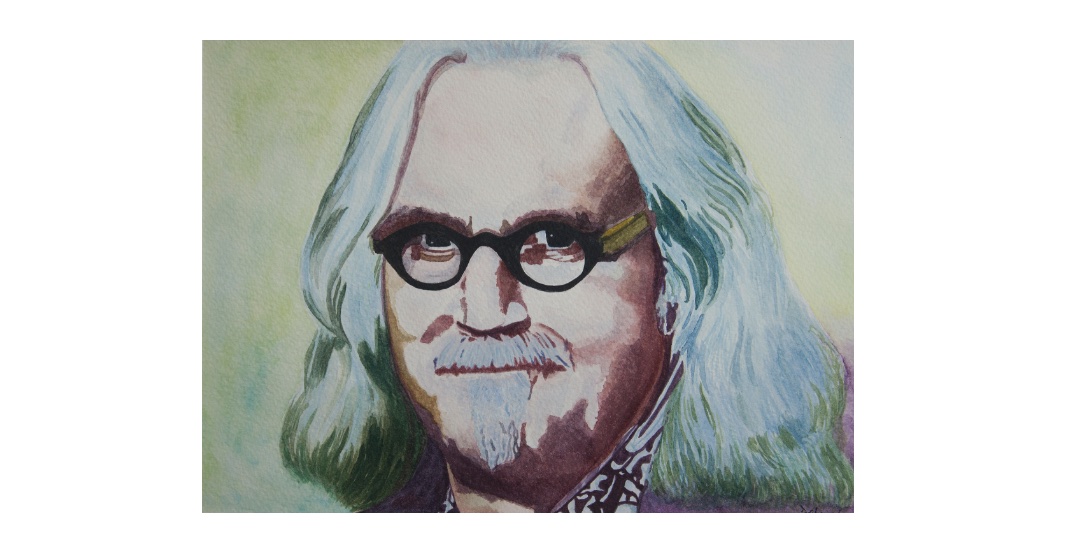
Art can really have a positive impact on people’s health, whether it be mentally or physically. It allows us to focus on something positive and escape temporarily. Painting acts as a therapy that reduces stress and anxiety and activates our brain’s reward centre. It enhances the lives of people with Parkinson’s through creativity, fun and self-expression, and we are passionate about using our creative skills to make a difference and you don’t have to be a trained artist to give it a go.

Our mission is to inspire and develop creativity across the Parkinson’s community and we are eager to expand our message throughout . We are always looking for opportunities where we can provide demonstrations, group participation events and even exhibitions to showcase our work. We truly believe that any form of art is good for your wellbeing!

Please feel free to check out our website : https://www.parkinsons.art/

Be Aware About Generic Brands

Be Aware About Generic Brands

The effective control of Parkinson’s disease requires that we are stabilised by taking a combination of medication at set times as this optimises symptom control. There is usually a period of trial and error but once an individual patient is stabilised on a particular medicine or combination of medicines it is important that the same medicine is dispensed on each occasion.

Each patient needs to have confidence in the dispensed medicines and therefore if different generic medicine is dispensed the patient may become anxious as to whether the medicine will control their symptoms and/or whether they will suffer side effects.

Generic medicines have the same active ingredient as the branded medicine. However, they are not always identical to the branded medicine. The amount of drug that finally reaches the site of action in the brain is known as “bioavailability” and this is important as it determines how effective the medicine will be. Bioavailability can vary between branded and generic medicines and even different generic medicines with the same amount of active ingredient. This is because the formulation and other ingredients in the medicine affect the absorption and metabolism of the drug.

I was diagnosed with Parkinson’s in May 2013 and at that time my consultant stressed that I should not change the brand of medication prescribed as it could lead to side effects so, when in January 2021 I got home from the pharmacy to unpack my medication and found I had been given a different brand I was concerned. I rang the surgery and spoke to the prescribing nurse and expressed my concerns at the change of brand without any notification or discussion. She explained it was probably a financial decision on the doctor’s part and said there shouldn’t be any problem as the ingredients were the same so suggested I try the brand I had been given and contact them again should I suffer any adverse side effects!

I was not prepared to do this so contacted the doctor who was very helpful and explained that a locum doctor had processed my repeat prescription request and as the software programme offered a cheaper alternative to my brand he made the change.  My doctor apologised and said this should not have been done without notifying me and discussing the matter and agreed to make a note on my file that the brand I am prescribed should not be changed and asked me to return the medicine I had been given and it would be replaced with my correct brand.

Start 2022 With The ‘Sit To Stand’ Challenge

Start 2022 With The ‘Sit To Stand’ Challenge

Around 145,000 people live with Parkinson’s in the UK. 

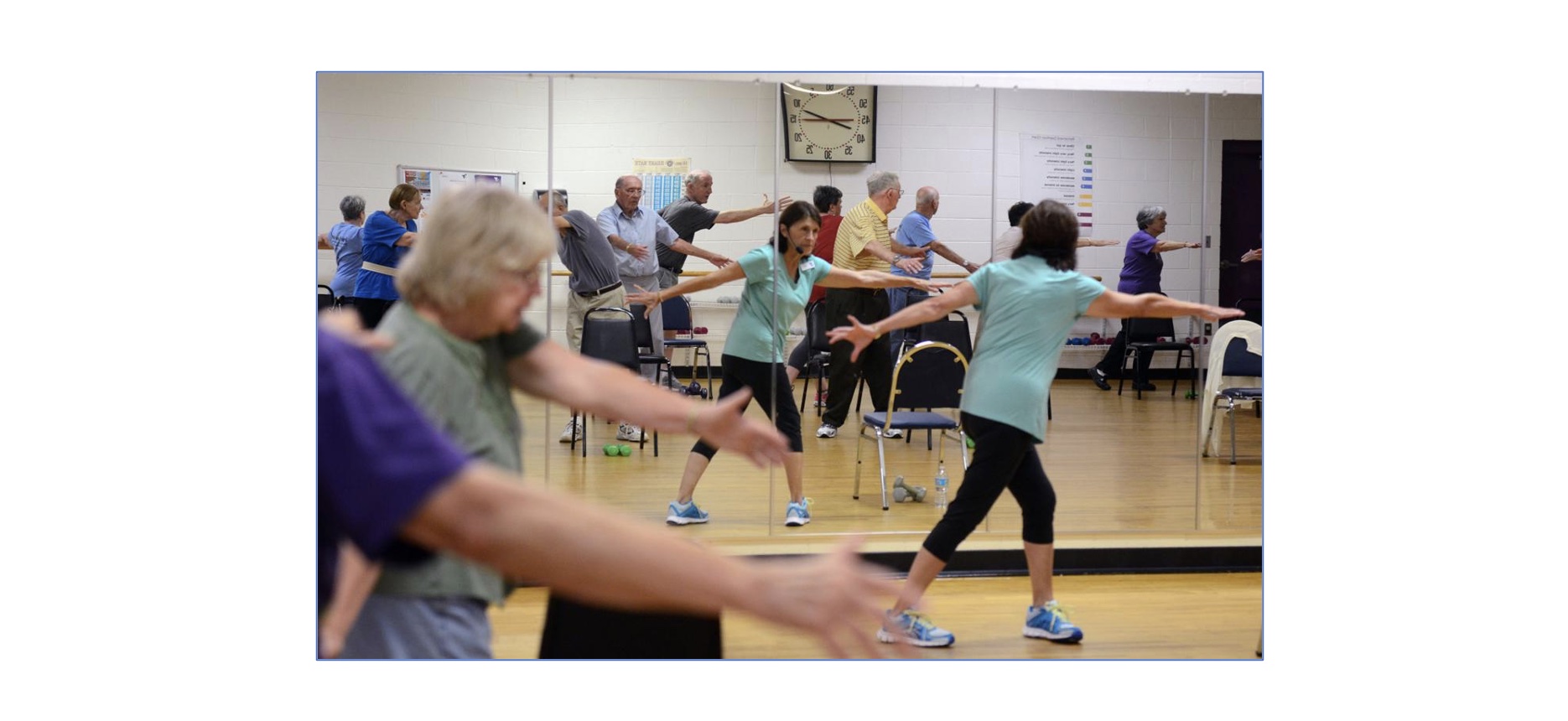
We know that exercise can help manage symptoms and to slow symptom progression so we want to STAND UP to Parkinson’s by coming together to do a collective 145,000 sit to stands over the course of January 2022.

Fighting Fit is supporting the challenge that was thrown down by the Neuro Heroes team but we need all the help we can get from the Parkinson’s community and everyone connected to it!

It doesn’t matter if you do 1 or 100 sit to stands each day, everyone around the UK is invited to join in for this cumulative effort and achievement! We’re in it together …..

Here is a short video about the challenge.

Please fill in this quick registration form to take part.

Once signed up you will be sent an email with details of how to input your sit to stand numbers so that they can be added to the tally. And, of course, the Neuro Heroes team will let you know how all your efforts are paying off to help us reach the shared target.

Please register and join in.


Exercise and Parkinson’s non-motor symptoms

Exercise and Parkinson’s non-motor symptoms

This is an excerpt from a research report into the effect of exercise on the non-motor symptoms of Parkinson’s.

People with Parkinson’s experience disabling non-motor symptoms including autonomic dysfunction, cognitive decline, and sleep disorders. Pharmacologic treatments for these symptoms are often ineffective or have intolerable side effects.

Therefore, non-pharmacologic interventions are an attractive alternative. Exercise in particular has has the potential to alleviate the progressive impairment related to these non-motor symptoms. In this commentary, we explore available research addressing the impact of exercise and physical activity on autonomic dysfunction, cognitive impairment, and sleep disorders in Parkinson’s disease, and suggest areas in need of further study.

Many gaps remain in our understanding of the most effective exercise intervention for these symptoms, the mechanisms underlying exercise-induced changes, and the best way to monitor response to therapy. However, available research suggests that exercise is a promising approach to improve non-motor symptoms in patients with Parkinson’s disease.

Exercise interventions have established efficacy for treating the motor symptoms of PD, with many different types of exercise activity, including stretching, walking, dance, tai chi, aerobic, resistance, and multimodal exercises showing beneficial effects on motor symptoms in PD.

Based on research in the general population, exercise also has the potential to improve autonomic function, attenuate cognitive decline, and improve sleep and daytime sleepiness. In the paper signposted below we discuss the available evidence supporting the use of exercise for treatment of autonomic dysfunction, cognitive decline, and sleep disorders in patients with PD and suggest areas for future research.

The full research paper can be accessed here  

Understanding sleep problems in Parkinson’s

Understanding sleep problems in Parkinson’s

Sleep is fundamental. It’s often described as a way to let the body and mind recharge. There’s even evidence that sleep allows important repair and waste removal processes to happen inside our cells to ensure they can function properly. So it’s unsurprising that for those who experience difficulties sleeping, this can have a huge impact on their daily activities.

Parkinson’s has many symptoms, ranging from the more common and well recognised movement symptoms, such as tremor, to the symptoms that some people with Parkinson’s and even professionals may not even realise are associated, such as trouble sleeping.

Sleep problems are known to be a symptom of Parkinson’s, and people can experience them at any point in their condition — from excessive daytime sleepiness to interrupted sleep at night.

Further to this, these problems can be exacerbated by medication wearing off overnight, leaving people feeling stiff and slow in the early morning. This is also known as “early morning off”, which can be debilitating for many people with Parkinson’s.

In this blog by Dr Katherine Fletcher of Parkinson’s UK, we explore an example of research looking to better understand these symptoms to help find a way to tackle them.

United towards better treatments

Researchers from a biotech company, Clexio, are dedicated to developing new drugs and novel treatments for neurological conditions. They are in the process of developing a potential new treatment that aims to help with sleep problems and early morning off in Parkinson’s. They wanted to understand more about these issues from the perspective of people with Parkinson’s to ensure their research is aligned with the needs of the Parkinson’s community.

With the help of our involvement team at Parkinson’s UK, the researchers put together a survey to help capture people’s experiences. The survey was reviewed by two groups of dedicated Parkinson’s UK volunteers before being shared with people with Parkinson’s.

Insights from the sleep survey

396 people with Parkinson’s shared their experiences.

A range of sleep problems are considered to be associated with Parkinson’s

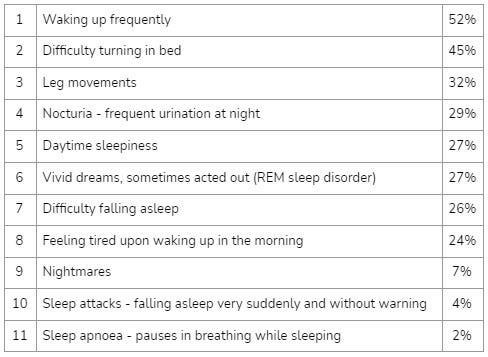
Survey respondents were presented with a list of common sleep complaints and were asked to select up to three which have the most significant impact on their life.

The table below shows the percentage of people who selected each complaint.

Sleep problems appeared to affect people of all ages, genders and at different points during the condition.

To read the full blog please visit:

https://medium.com/parkinsons-uk/understanding-sleep-problems-in-parkinsons-cb866c558198