
This is an excerpt from a research report into the effect of exercise on the non-motor symptoms of Parkinson’s.
People with Parkinson’s experience disabling non-motor symptoms including autonomic dysfunction, cognitive decline, and sleep disorders. Pharmacologic treatments for these symptoms are often ineffective or have intolerable side effects.
Therefore, non-pharmacologic interventions are an attractive alternative. Exercise in particular has has the potential to alleviate the progressive impairment related to these non-motor symptoms. In this commentary, we explore available research addressing the impact of exercise and physical activity on autonomic dysfunction, cognitive impairment, and sleep disorders in Parkinson’s disease, and suggest areas in need of further study.
Many gaps remain in our understanding of the most effective exercise intervention for these symptoms, the mechanisms underlying exercise-induced changes, and the best way to monitor response to therapy. However, available research suggests that exercise is a promising approach to improve non-motor symptoms in patients with Parkinson’s disease.
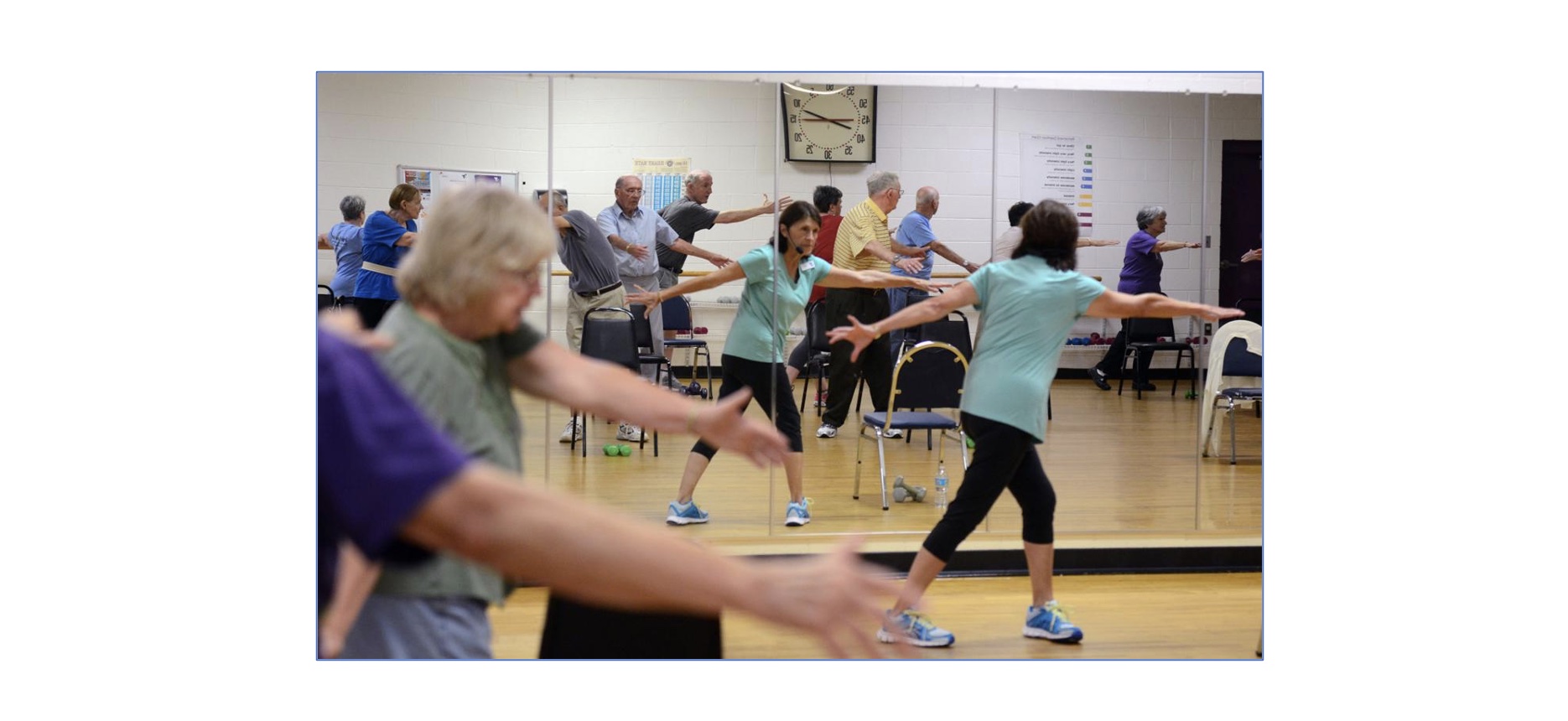
Exercise interventions have established efficacy for treating the motor symptoms of PD, with many different types of exercise activity, including stretching, walking, dance, tai chi, aerobic, resistance, and multimodal exercises showing beneficial effects on motor symptoms in PD.
Based on research in the general population, exercise also has the potential to improve autonomic function, attenuate cognitive decline, and improve sleep and daytime sleepiness. In the paper signposted below we discuss the available evidence supporting the use of exercise for treatment of autonomic dysfunction, cognitive decline, and sleep disorders in patients with PD and suggest areas for future research.
The full research paper can be accessed here