UK farmers want weedkiller ban over Parkinson’s fears

UK farmers want weedkiller ban over Parkinson’s fears

On Sunday 4th April the BBC1 Countryfile programme transmitted an item about Paraquat and Parkinson’s. This issue has been known about for some time as farmers around the world who were exposed to Paraquat and other pesticides, appear to have a higher incidence of developing Parkinson’s.

The following is an extract of an article from BBC News:

Some British farmers are calling for a ban on the UK production of toxic weedkiller Paraquat, saying studies suggest it could be a factor in the onset of Parkinson’s Disease. It comes as hundreds of US farm workers pursue a legal case against its manufacturer, alleging it knew the risk and failed to warn them. 

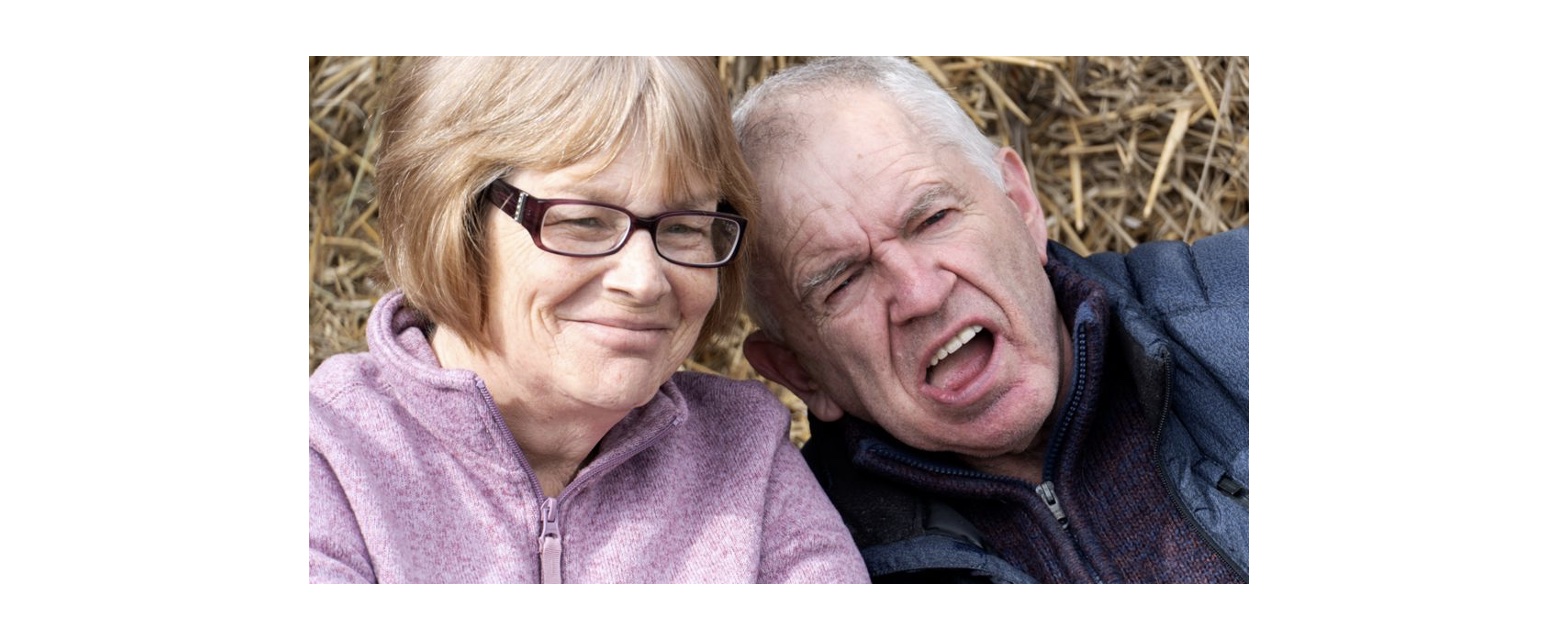
Andy Pollard was once a farm manager who could leap into his tractor cab. But now his limbs are rigid and his body contorts with spasms. He has advanced Parkinson’s Disease, and can no longer control his own movements. He spent decades spraying herbicides on his land and, unaware of any danger, didn’t use protective equipment.

Paraquat was first manufactured in the UK in the early 1960s and is sold globally – 377 companies have registered it for sale. It is one of the world’s most popular and effective herbicides, millions of farmers have used it to kill weeds. But it is also one of the most dangerous and has caused thousands of poisoning deaths. Its manufacturer Syngenta says claims of a link between Paraquat and Parkinson’s are not supported by scientific evidence, stating it has undergone more than 1,200 safety studies.

Parkinson’s Disease is believed to be the world’s fastest-growing neurological condition. It affects neurons in a specific area of the brain called the substantia nigra. It is degenerative, gradually leading to tremors and stiffness in the limbs. Global studies show rural, agricultural areas often have higher rates of the disease.

Paraquat has not been authorised for use in the EU since a court ruling in 2007. That is still the case in the UK after Brexit but it is still made – under the brand name Gramoxone – at Syngenta’s plant in Huddersfield. It is exported to countries such as the US, Japan and Australia, with a fifth of exports going to the developing world.

In the US, nearly 900 farmers and field workers have joined forces to sue the manufacturer, claiming not only is there a link between Paraquat and Parkinson’s, but that Syngenta has deliberately hidden the health risks from the authorities. Syngenta rejects the claims made in the remaining multidistrict litigation case, which is due to come to court later this year. The company’s most recent financial statement shows that the company has already paid $187.5m into a settlement fund. But it said the company believes that all of these claims are without merit and the payment is simply to keep the claims from going any further.

Toxicologist Prof Jon Heylings worked for Syngenta and its predecessor companies for more than 20 years. After retiring, he turned whistleblower, and has given evidence as an expert witness in the US legal action. There is no scientific consensus and many conflicting studies on any possible association between Paraquat and Parkinson’s.

In the US, a 17-year-long study found Paraquat contributed to Parkinson’s onset and progression. And research by the National Institute of Environmental Health Sciences – part of the US Department of Health – found people who used Paraquat developed Parkinson’s two-and-a-half times more often than non-users. But the US regulator, the Environmental Protection Agency, says an updated study couldn’t replicate those results and no clear link was found.

But there are scientists who believe Syngenta is putting profit before product safety and public health. Prof Heylings has a Syngenta regulatory strategy document from 2003 written while Paraquat was still being used by UK farmers. Its author acknowledges a growing number of studies “citing a correlation between incidence of Parkinson’s Disease and herbicide use, including Paraquat”.

He explains: “Syngenta are trying to influence researchers who are working on Paraquat and also influence the direction of the research because the last thing Syngenta wants is a big blow up on Parkinson’s. So the strategy was to downplay anything to do with the potential neurotoxicity of Paraquat that could lead to Parkinson’s.”

In a statement, Syngenta said it had invested hundreds of millions of dollars over the product lifetime to ensure its safety.

“Paraquat has been the subject of more than 1,200 safety studies submitted to, and reviewed by, regulatory authorities around the world. Recent thorough reviews performed by the most advanced and science-based regulatory authorities including the United States and Australia continue to support the view that Paraquat is safe.”


Everyone Active offers free membership for people with Parkinson’s and their carers

Everyone Active offers free membership for people with Parkinson’s and their carers

Physical activity is good for you. It’s especially good for you if you have Parkinson’s. That’s why we’ve partnered with Everyone Active to offer free membership to its leisure centres for people with Parkinson’s and their carers.

We know how important it is to be active. It’s great for your physical and mental wellbeing. Especially if you have Parkinson’s. The more physically active you are, the easier it is to live well and manage the symptoms of the condition.

That’s why Everyone Active is offering free membership to people with Parkinson’s and their carers at any of its 190 sites across England.

Membership includes:

  • use of gym equipment
  • swim facilities (where applicable)
  • group exercise classes
  • EXi digital, a prescribed physical activity programme
  • Synergy Dance online classes.

There’s a huge range of activities to help you get and stay active. No matter what stage of Parkinson’s you’re at, or what your physical ability is, there’s something for everyone.

Supporting you.

As well as offering free membership to people with Parkinson’s and their carers, Everyone Active is training staff in all of its leisure centres to be Parkinson’s aware. And activity providers will complete Parkinson’s UK training, to make sure they can support you in the right way.

Everyone Active is also running a buddy scheme so that an existing member with Parkinson’s is there to welcome and support new members with the condition on their first visit.

Something for everyone.

Tom Ingram, Corporate Partnerships Manager at Parkinson’s UK, said:

“We’re delighted to partner up with Everyone Active who have very generously offered complimentary membership for people living with Parkinson’s and their carers. Being physically active is important for everyone. It supports both physical and mental health, and depending on what you choose, can provide social support and interaction, all of which can really help people living with Parkinson’s and those providing informal care”.

“Developing a regular physical activity habit can make a person feel more in control when living with the condition. Quality of life can be enhanced and independence and confidence maintained. We hope that with the support of Everyone Active, the Parkinson’s community can enjoy physical activity to make a real difference to their lives.”

The ‘Living Well with Parkinson’s Project’

The ‘Living Well with Parkinson’s Project’

Jane Rideout was diagnosed with Parkinson’s in 2008, she worked in IT management and sales and marketing roles. In 2013, Jane began volunteering for Parkinson’s UK, with volunteer roles including peer support, hosting Parkinson’s UK’s First Steps programme and being a local support group coordinator. Jane became involved with the Parkinson’s UK Excellence Network in 2015, and became the Regional Lead of the South West Peninsular Excellence Network in 2017. She actively promotes exercise for people with Parkinson’s.

Jane expands: “I hoped that my experience of living with Parkinson’s, and having no healthcare background, could offer a different perspective”.

During lockdown Jane started the ‘Live Well with Parkinson’s’ project, which comprises regular online talks by guest speakers and discussion groups.

Full details of past sessions and future talks can be found here – www.livewellwithparkinsons.uk

But to whet your whistle here is an example of what’s coming on 12th April:

Cure Parkinson’s : Research Update
Tuesday 12th April at 18:30 

Cure Parkinson’s has a goal.

“Curing Parkinson’s needs world-class collaborative science involving researchers, clinicians, the pharmaceutical industry and, most importantly, people who are living with Parkinson’s. This collaboration is at the heart of our research programme.

Our leadership and funding enables the world’s leading neuroscientists and neurologists to prioritise, together, the next generation of drugs for clinical trial. We’re acting with urgency, for people currently living with Parkinson’s, with a focus on research which has potential to translate into the clinic within five years.”

Helen Matthews, Deputy CEO, Cure Parkinson’s will talk about the work of Cure Parkinson’s. She will explain the approach to research that is being adopted, and about some of the specific research projects.

There will be time for questions.

BOOK ON THE WEBINAR

The Impact Of Coronavirus On Parkinson’s Research

The Impact Of Coronavirus On Parkinson’s Research

There have been some inevitable delays to some of the research projects that Parkinson’s UK fund but the charity has decided to prioritise research spending so that work can continue at pace.

And it is reassuring to see that during August there have been a whole series of research news items that give hope that in time there will be a breakthrough.

Below is a summary of the news items with links for further reading.

4th August – We’re investing a further £1 million to drive forward drugs that target energy-producing mitochondria to slow the loss of brain cells in Parkinson’s.

As part of our Virtual Biotech, we’ve partnered with NRG Therapeutics Ltd to create drugs that can enter the brain and rescue mitochondria – the batteries that power brain cells.

https://www.parkinsons.org.uk/news/parkinsons-uk-commit-further-funding-develop-drugs-protect-mitochondria

7th August – Major pharmaceutical company Biogen is investing $1billion to take LRRK2 inhibitors into large scale clinical trials in 2021.

Biogen, has partnered with biotech, Denali Therapeutics, to accelerate the development of promising drugs for Parkinson’s. The drugs target the LRRK2 gene, with clinical trials planned to start in 2021.

https://www.parkinsons.org.uk/news/biogen-step-take-forward-promising-gene-based-drugs-parkinsons

11th August – Link found between diabetes and increased Parkinson’s risk.

An international team of researchers have uncovered a biological link that may account for why those with diabetes have a higher risk of developing Parkinson’s.

https://www.parkinsons.org.uk/news/link-found-between-diabetes-and-increased-parkinsons-risk

14th August – Research shows bad dreams could predict future memory and thinking problems

Researchers in Portugal have discovered that the content of dreams, particularly those with negative emotions, may predict long-term cognitive decline in people with Parkinson’s.

https://www.parkinsons.org.uk/news/research-shows-bad-dreams-could-predict-future-memory-and-thinking-problems

20th August – New research uncovers structures of Parkinson’s-related protein

Scientists at the University Bath have improved our understanding of the potentially toxic structures that the protein, alpha-synuclein, can form.

https://www.parkinsons.org.uk/news/new-research-uncovers-structures-parkinsons-related-protein

21st August – Precious brain tissue uncovers new insights about the causes of Parkinson’s

Tissue from the Parkinson’s UK Brain Bank has provided vital clues to why brain cells are lost in Parkinson’s

https://www.parkinsons.org.uk/news/precious-brain-tissue-uncovers-new-insights-about-causes-parkinsons

Read more about the science of Parkinson’s

Researchers are uncovering new findings everyday.

The Parkinson’s UK research blog keeps you up to date with the latest developments and helps you understand what these findings actually mean for those living with Parkinson’s.

https://medium.com/parkinsons-uk/archive/2020

New Podcast Series Available From Younger Parkinson’s Alliance

New Podcast Series Available From Younger Parkinson’s Alliance

This brief article shines a light on the work of the Younger Parkinson’s Alliance (YPA).

If you visit the YPA website https://www.youngerparkinsonsalliance.org you will notice that Fighting Fit’s Pat Salter is one of its board members.

Speaking about the YPA Pat says:

“All members speak from the experience of living with Parkinson’s and are passionate about ending stigma and creating change”.

The principle objectives of the YPA for 2020 are as follows:

  • Supporting close relationships – making sure younger people with Parkinson’s have a supportive network, and that they and their loved ones don’t feel alone or isolated.
  • Shaping better services – continuing to improve understanding and care for people with Young Onset Parkinson’s within the NHS and Parkinson’s UK services.
  • Improving employment experience – making employers and workplaces more Parkinson’s-friendly and help people with Parkinson’s get what they need from their employment experience.

On the YPA website you will find resources and toolkit specially developed for people with Young Onset Parkinson’s.

A recent development that’s definitely worth listening to is a series of podcasts created for a younger Parkinson’s community. The first episode is about the process and experience of diagnosis, then there’s a great one on medication supported by Annette Hand (Excellence Network Clinical lead for nursing and Parkinson’s Nurse Consultant) and next month’s is all about exercise.

Check it out!